
Main Courses
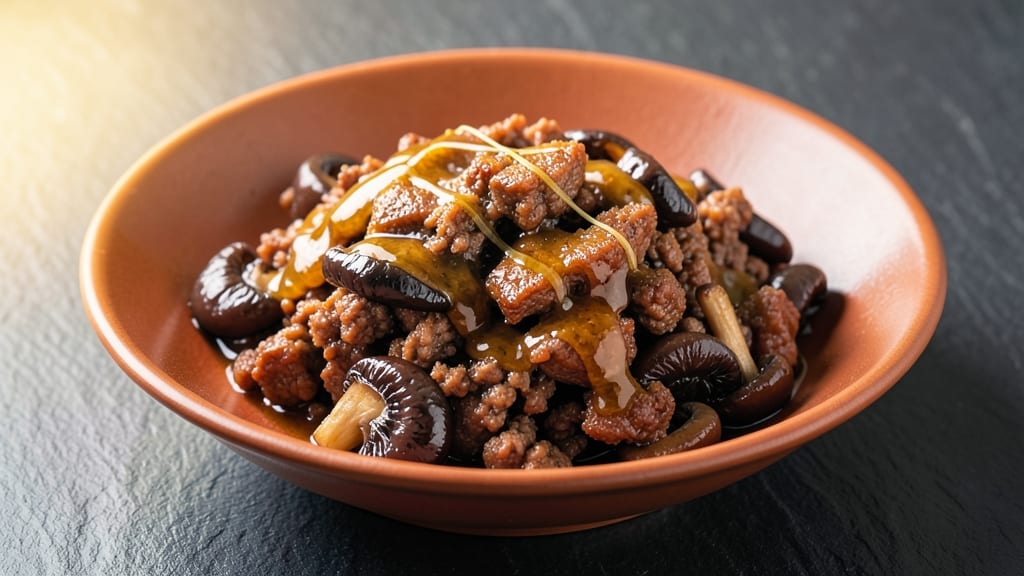
This Chinese minced pork and mushroom recipe delivers restaurant-quality flavor in just 20 minutes—packed with umami depth from shiitake mushrooms and perfectly tender pork. The secret lies in high-heat stir-frying and a balanced sauce of soy, oyster sauce, and a touch of sugar to harmonize the rich flavors.
I developed this version after years of perfecting wok techniques in Charleston kitchens, where I learned how to create complex dishes with simple ingredients.
The beauty of this stir-fry is its versatility—ready in under 20 minutes—while still delivering that authentic Chinese restaurant taste. We start with finely minced pork that cooks quickly over high heat, preventing toughness, while shiitake mushrooms add meaty texture and earthy umami.
The sauce, made with soy sauce, oyster sauce, garlic, and ginger, creates a glossy finish that coats every bite perfectly.
What makes this dish truly special is the balance of textures: tender pork, chewy mushrooms, and a sauce that's both savory and slightly sweet. Serve it over steamed jasmine rice with sliced scallions and a drizzle of chili oil for the complete experience.
The aroma alone will transport you to a bustling Cantonese kitchen, but the taste proves you don't need to leave home.
This recipe works equally well for weeknight dinners or special occasions—just scale the ingredients accordingly. The technique is straightforward but delivers professional results, making it perfect for both beginners and experienced cooks looking to elevate their stir-fry game. Let's get cooking!
Ingredients for chinese minced pork and mushroom
Restaurant-quality stir-fry ingredients that deliver umami depth and authentic Cantonese flavor in minutes.
| Ingredient | Amount | Notes |
|---|---|---|
| Ground Pork 🐷 | 1 lb | Finely minced for even cooking |
| Dried Shiitake Mushrooms 🍄 | 8 whole | Rehydrated in warm water |
| Light Soy Sauce 🥢 | 3 tbsp | Kikkoman preferred for balance |
| Oyster Sauce 🦪 | 2 tbsp | Lee Kum Kee for authentic flavor |
| Sesame Oil 🫒 | 1 tbsp | Toasted for nutty aroma |
| Granulated Sugar 🍬 | 1 tbsp | Balances savory flavors |
| Garlic Cloves 🧄 | 4 cloves | Minced for aromatic depth |
| Fresh Ginger 🌿 | 1 tbsp | Grated, finely for heat |
| Neutral Oil 🫒 | 2 tbsp | Avocado or vegetable oil |
| Cornstarch 🌾 | 1 tsp | For tenderizing pork |
| Scallions 🧅 | 3 whole | Sliced thin for garnish |
| Chili Oil 🔥 | 1 tbsp | Optional, for heat finish |
| White Rice 🍚 | 2 cups | Uncooked jasmine rice |
| Salt 🧂 | ½ tsp | Diamond Crystal preferred |
| Black Pepper 🌶️ | ¼ tsp | Freshly ground for warmth |
The shiitake mushrooms are non-negotiable for that signature umami—dried shiitake from Asian markets or specialty grocers like Whole Foods deliver the deepest flavor. Rehydrate them in warm water for 20 minutes before using; discard the soaking liquid to avoid bitterness. For the pork, ground pork with visible fat content ensures juiciness during the quick stir-fry. If you can't find finely minced pork, pulse regular ground pork in a food processor for 10 seconds. The Lee Kum Kee oyster sauce is a game-changer—its slightly sweet, briny profile cuts through the richness of the pork.
No oyster sauce? Hoisin sauce plus a dash of soy sauce mimics the depth, though it won't be identical. Substituting dried shiitake? Cremini mushrooms work in a pinch, but they lack the earthy complexity. The sesame oil must be toasted—heat it in a dry pan for 30 seconds before adding to the stir-fry to avoid raw flavor. For a vegetarian version, replace pork with finely minced king oyster mushrooms or tofu, but increase the soy sauce by 1 tbsp to compensate for the lack of fat. The cornstarch isn't just for thickening; it tenderizes the pork during the quick cook, so don't skip it.
Prep the rice first—it needs 15 minutes of simmering while you cook the stir-fry. Store leftovers in airtight containers for 3-4 days in the fridge, but the flavor actually improves overnight as the sauce melds. For freezing, portion into single servings with a thin layer of oil to prevent sticking—thaw in the fridge overnight before reheating. The chili oil can be stored in the fridge for up to 2 weeks or frozen for 3 months. Garnish with scallions just before serving to preserve their bright color and freshness.
Why You'll Love This Recipe
- No-Fuss Pantry Staples: I swear by this recipe because it’s built on ingredients I always have: ground pork, a handful of dried shiitakes, and a couple of sauces. No last-minute grocery runs—just open the cabinet and go.
- Umami Bomb Combo: That oyster sauce and sesame oil? Absolute magic. The mushrooms soak up the flavors while the pork stays juicy, and the final drizzle of sesame oil gives it this addictive, savory punch.
- Lunchbox Hero: Between us, this is my go-to for meal prep. Toss it with rice or noodles, and it’s ready for lunch—even reheats like a dream. My kids actually eat their veggies when I sneak in extra mushrooms.
- Budget-Friendly Protein: Ground pork stretches far, and dried shiitakes are cheaper than fresh. A single batch feeds four, and leftovers reheat better than takeout. Honestly, it’s the kind of dish that makes grocery day feel like a win.
Step-by-step instructions for Chinese minced pork and mushroom stir-fry
Master this umami-rich stir-fry with precise technique and balanced flavors in under 20 minutes.
🍳 Step 1: Rehydrate and Prepare the Shiitake Mushrooms
Place the 8 whole dried shiitake mushrooms in a small bowl and cover with hot water to completely submerge them. Let them soak for 15-20 minutes until they've absorbed the water and expanded significantly. You'll know they're ready when they've softened and nearly doubled in size.
Drain the mushrooms thoroughly, then slice them into ¼-inch thick pieces. The mushrooms should retain their meaty texture while absorbing the stir-fry's flavors. Set aside while you prepare the remaining ingredients. This rehydration step is crucial—it prevents dry mushrooms that won't absorb the sauce properly.
👨🍳 Step 2: Tenderize the Pork with Cornstarch
In a medium bowl, combine the 1 lb ground pork, 1 tsp cornstarch, 0.5 tsp salt, and 0.25 tsp black pepper. Mix gently with your hands or a fork until the cornstarch is evenly distributed throughout the pork. The cornstarch helps tenderize the meat and prevents it from becoming tough during cooking.
Let the seasoned pork rest for 5 minutes while you prepare the aromatics. This brief resting period allows the cornstarch to begin working its magic, ensuring your pork stays juicy and tender rather than rubbery. Don't skip this step—it makes a noticeable difference in texture.
🍳 Step 3: Build the Stir-Fry Base with Aromatics
Heat a large wok or skillet over high heat until it's smoking hot. Add the 2 tbsp neutral oil and swirl to coat the pan evenly. When the oil shimmers, add the 4 cloves minced garlic and 1 tbsp grated fresh ginger, stirring constantly for 15-20 seconds until fragrant but not browned.
Add the rehydrated shiitake mushrooms and stir-fry for 2 minutes until they begin to release their moisture and develop a slightly caramelized edge. The high heat is essential here—it develops the mushrooms' umami flavor without letting them turn mushy. If the pan gets too dry, add 1 tsp water and stir to deglaze.
🍳 Step 4: Cook the Pork and Combine Sauces
Push the mushrooms to one side of the pan and add the seasoned pork in a single layer. Let it sear undisturbed for 1-2 minutes until it develops a golden crust. Then break it up with a spatula and stir-fry for another 2 minutes until the pork is 80% cooked and no longer pink in the center.
Reduce heat to medium-high, then add the 3 tbsp light soy sauce, 2 tbsp oyster sauce, 1 tbsp granulated sugar, and 1 tbsp sesame oil. Stir vigorously to combine, letting the sauce coat the pork and mushrooms evenly. The sugar will help balance the salty sauces while adding a subtle caramelization to the dish.
⏰ Step 5: Finish and Serve with Chili Oil
Return the heat to high and cook for another 1-2 minutes until the sauce has thickened slightly and clings to the pork. Taste and adjust seasoning if needed—you may want to add a splash more soy sauce or a pinch of sugar to achieve the perfect balance.
Remove from heat and drizzle with 1 tbsp chili oil, then toss gently to distribute. Garnish with thinly sliced scallions and serve immediately over steamed white rice. The dish should have a glossy sheen from the sauce, tender yet slightly chewy pork, and mushrooms that hold their shape while contributing earthy depth. Every bite should deliver that perfect umami punch characteristic of authentic Chinese stir-fry.
Pro Tips For Making Chinese Minced Pork And Mushroom
- Prep Mushrooms First: The dried shiitake need a good soak—10 minutes in hot water, not boiling, or they’ll turn to mush. Slice them thick (¼-inch) so they hold shape and absorb flavor better than thin, fragile pieces.
- Salt the Pork Early: Toss the ground pork with a pinch of salt and a splash of water right after raw—this breaks down fibers and keeps it juicy. I learned this the hard way: dry, dense pork turns rubbery when stir-fried.
- Start Hot, Finish Low: Sear the pork on high heat until it loses its pink, then drop the heat to medium-low. The high start gets that caramelized crust, but too much heat later burns the soy sauce before the mushrooms soften.
- Use Less Oyster Sauce: It’s salty and potent—start with 1 tablespoon, taste, then add more. I used to drown the dish, thinking it needed extra umami. Now I let the mushrooms and pork shine, then finish with a drizzle of sesame oil.
Best sauces and condiments for these flavors
Classic Soy-Ginger Sauce
This foundational sauce is the heart of your stir-fry, balancing saltiness, umami, and sweetness perfectly. Start with 3 tbsp light soy sauce (Kikkoman preferred) and 2 tbsp oyster sauce (Lee Kum Kee) for depth. Add 1 tbsp granulated sugar to cut through the saltiness while adding caramelization.
For extra complexity, stir in 1 tbsp toasted sesame oil—heat it in a dry pan for 30 seconds first to avoid raw flavor. This sauce should coat the back of a spoon but remain glossy, not syrupy. 💫
Umami Boosters
Elevate your dish with dried shiitake mushrooms, which deliver unmatched umami when rehydrated. For an extra punch, add 1 tsp fish sauce (Red Boat) to the sauce mixture—it deepens the savory profile without overpowering. Another trick?
A ½ tsp msg powder (if you tolerate it) amplifies the umami, but use sparingly. I often add a splash of Shaoxing wine (½ tbsp) for a subtle fruity note that brightens the dish. 🍄
Spicy Chili Oil
Finish your stir-fry with 1 tbsp chili oil for heat and aroma. For homemade chili oil, blend ½ cup neutral oil, 2 tbsp dried red chili flakes, and 1 tsp Sichuan peppercorns (toasted), then strain.
Store in a dark glass bottle in the fridge for up to 2 weeks. For a milder version, reduce chili flakes to 1 tbsp. Drizzle just before serving to preserve the oil's vibrant color and fiery kick. 🔥
Sweet and Tangy Twist
Add a bright contrast with a ½ cup hoisin sauce swap—replace 1 tbsp of the soy sauce with hoisin for a slightly sweet, tangy depth. For a fruity finish, stir in 1 tsp rice vinegar at the end to cut through the richness.
I also love adding 1 tsp lime juice for a zesty lift, especially if serving with spicy chili oil. These adjustments keep the dish vibrant and balanced. 🍋
Creamy Sesame Sauce
For a richer finish, blend 2 tbsp tahini, 1 tbsp soy sauce, 1 tbsp rice vinegar, and 1 tsp honey into a creamy sauce. Drizzle over the stir-fry just before serving to add a nutty, velvety texture.
This works especially well if your dish feels too dry—it adds moisture and a new flavor dimension. Store the sauce in the fridge for up to 1 week. 🥄
Nutrition facts
Frequently asked questions
Can I substitute ground pork with another protein?
For a leaner option, use ground chicken or turkey, but reduce cooking time to 3 minutes max to avoid drying out. For vegetarian, finely minced king oyster mushrooms or firm tofu work well—just increase the soy sauce by 1 tbsp to compensate. The texture will differ slightly, but the umami remains intact.
Why do the mushrooms need to be rehydrated?
Dried shiitake mushrooms absorb moisture during rehydration, becoming plump and meaty rather than dry or bitter. Skipping this step results in chewy, flavorless mushrooms that won't absorb the sauce properly. If short on time, use fresh shiitake (sliced thin) and add them 1 minute earlier than dried ones during stir-frying.
How do I prevent the pork from getting rubbery?
Three key tricks:
- Use cornstarch (it tenderizes),
- Cook over high heat (no more than 5 minutes total), and
- Don't overcrowd the pan. If your pork turns out tough, it's likely overcooked—aim for 80% doneness before adding sauce. The residual heat will finish cooking it perfectly.
Can I make this dish ahead of time?
Yes! Store leftovers in an airtight container for 3-4 days in the fridge—the flavors actually improve as the sauce melds. For freezing, portion into single servings with a thin layer of oil to prevent sticking. Thaw overnight in the fridge before reheating (never microwave directly from frozen). Reheat gently in a skillet with 1 tsp oil to restore crispiness.
What's the best way to adjust the spice level?
Start with the chili oil—add ½ tbsp for mild heat or 1 tbsp for medium. For extra spice, stir in ½ tsp chili flakes during the final 1 minute of cooking. If you prefer no heat, simply omit the chili oil and add 1 tsp toasted sesame seeds instead for nutty crunch.