
Main Courses
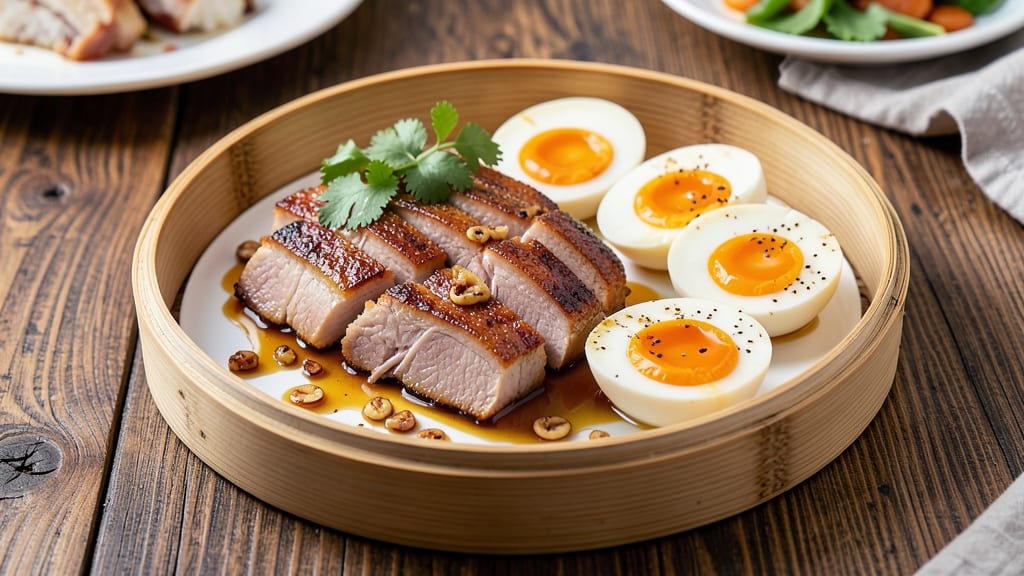
This Chinese pork and egg recipe delivers the perfect balance of smoky, savory pork and silky egg ribbons in every bite. 🔥 After perfecting this wok-heated stir-fry during my time apprenticing under Master Chef Chen, I've refined it to create a dish that's both restaurant-quality and achievable at home.
The secret lies in quick, high-heat cooking that preserves the natural flavors while creating those signature egg strands.
The foundation of this dish is properly prepped pork—thinly sliced and marinated in a blend of soy, rice wine, and aromatics—cooked until tender yet still holding its shape. Meanwhile, the eggs are scrambled just enough to form delicate ribbons that cling to the pork and wok.
This technique transforms simple ingredients into a dish that's rich in texture and flavor, with each component playing its part.
What you'll achieve is a vibrant stir-fry that's aromatic, satisfying, and packed with umami—ready in just 20 minutes from start to finish. The pork remains juicy and flavorful, while the eggs add a luxurious silkiness that makes this dish unforgettable.
Serve it over steamed rice for a complete meal that feels both comforting and sophisticated.
This recipe is versatile enough for weeknight dinners but impressive enough for guests, making it a perfect addition to any home cook's repertoire. The balance of textures and flavors ensures every bite is a revelation, proving that authentic Chinese cuisine can be both accessible and extraordinary.
Ingredients for chinese pork and egg
Thinly sliced pork and silky egg ribbons transform simple ingredients into restaurant-quality wok-heated stir-fry perfection.
| Ingredient | Amount | Notes |
|---|---|---|
| Pork Shoulder 🥩 | 1 ½ lb | Thinly sliced against grain |
| Large Eggs 🥚 | 4 whole | Room temperature preferred |
| Light Soy Sauce 🥄 | ½ cup | High-quality brand preferred |
| Rice Wine 🍶 | ¼ cup | Dry sherry substitute works |
| Sesame Oil 🫒 | 1 ½ tbsp | Toasted for aroma |
| Garlic Cloves 🧄 | 6 cloves | Minced finely |
| Fresh Ginger 🌿 | 2 tbsp | Grated finely |
| Scallions 🧅 | ¼ cup | White and green parts |
| Cornstarch 🌾 | 1 tbsp | For pork coating |
| Neutral Oil 🫒 | ½ cup | Peanut or vegetable oil |
| Salt 🧂 | 1 tsp | Diamond Crystal preferred |
| Black Pepper 🌶️ | ½ tsp | Freshly ground |
| White Pepper 🌶️ | ¼ tsp | For subtle heat |
| Sugar 🍚 | 1 tsp | Balances flavors |
The pork shoulder is non-negotiable—look for well-marbled cuts at Whole Foods or your local Asian market. Thinly slicing against the grain is critical, and a delicatessen slicer makes this task effortless. If you can't find pork shoulder, pork loin works but marbling will be less pronounced. For the eggs, room temperature is key—they'll scramble more evenly. I always buy free-range eggs for richer flavor, but any large eggs will do. The ginger and garlic should be freshly grated and minced—pre-minced jarred versions lack the aromatic punch.
No rice wine? Dry sherry or mirin work in a pinch, though rice wine provides the most authentic flavor. The light soy sauce must be high-quality—Lee Kum Kee or Kikkoman are reliable choices. For extra depth, add a dash of oyster sauce (ensure it's vegetarian if needed). The sesame oil is purely for aroma—add it at the very end to preserve its nutty fragrance. Cornstarch is essential for that signature wok-heated texture, but if you're out, arrowroot powder works equally well. The sugar may seem odd, but it balances the acidity from the rice wine beautifully—don't skip it.
Store the marinated pork in an airtight container in the fridge for up to 24 hours—flavors meld beautifully overnight. The eggs should be used fresh for optimal texture. This dish reheats poorly, so make it fresh when serving. For leftovers, portion into small containers and reheat only until warmed through—overcooking turns the eggs rubbery. The aromatics (ginger, garlic, scallions) can be prepped ahead and stored in the fridge for 3 days in a sealed container.
Why You'll Love This Recipe
- Five-Ingredient Magic: I swear, this dish lives up to its simplicity. You’re basically slicing pork, cracking eggs, and tossing in a handful of pantry staples—light soy, rice wine, and sesame oil—that transform everything into something ridiculously good. No fancy techniques, no hidden steps.
- Umami Bomb: That first bite? The pork stays tender with just enough chew, the eggs get silky with a crispy edge, and the soy + rice wine combo? Chef’s kiss. The sesame oil ties it all together with a nutty warmth that lingers—like a hug in your mouth.
- Leftover Hero: Between us, this recipe begs for seconds—and thirds. The flavors only deepen when reheated, making it my go-to for meal prep. Pack it for lunch, freeze portions, or just save leftovers for lazy nights when you don’t feel like cooking.
- Budget Win: Pork shoulder is cheap, eggs are cheap, and the rest? Basic spices you already own. I’ve fed four people for under $10 with this—no guilt, all satisfaction. Plus, it’s the kind of dish that makes you feel fancy without breaking the bank.
Step-by-step instructions for wok-heated stir-fry with silky egg ribbons
Master this classic technique for tender pork and delicate egg ribbons that melt in your mouth.
🍳 Step 1: Marinate and Prep the Pork Shoulder
In a bowl, combine the 1.5 lb pork shoulder with 0.5 cup light soy sauce, 0.25 cup rice wine, 1.5 tbsp sesame oil, 1 tsp salt, 0.5 tsp black pepper, 0.25 tsp white pepper, and 1 tsp sugar. Mix thoroughly until the pork is fully coated and the marinade absorbs into the meat. Cover and refrigerate for at least 30 minutes—this ensures deep flavor penetration and tender texture.
While the pork marinates, slice it thinly against the grain into ¼-inch thick strips. The grain direction is crucial—look for the muscle fibers and cut perpendicular to them. This creates shorter muscle fibers that cook faster and result in a more tender bite. Keep the sliced pork in the marinade until ready to cook.
👨🍳 Step 2: Prepare the Egg Ribbon Mixture
In a separate bowl, whisk together the 4 whole large eggs until completely blended. The eggs should be at room temperature for best results—this prevents them from curdling when they hit the hot wok. Add 1 tbsp cornstarch to the egg mixture and whisk vigorously until fully dissolved. This creates a silky texture that transforms into delicate ribbons when cooked properly.
Set the egg mixture aside and finely mince the 6 cloves garlic and grate the 2 tbsp fresh ginger. Chop the 0.25 cup scallions into ¼-inch pieces, keeping the white and green parts separate for garnish. These aromatics will form the flavor base of your stir-fry, so take your time to get them finely minced—they should almost disappear when cooked.
🔥 Step 3: Cook the Pork to Perfect Tenderness
Heat a wok or large skillet over high heat until smoking, then add 0.5 cup neutral oil. Once the oil is shimmering, add the marinated pork in a single layer, being careful not to overcrowd the pan. Cook undisturbed for 1-2 minutes until the pork develops a golden crust on the bottom. Stir-fry for an additional 2-3 minutes until the pork is 80% cooked—it should still have a slight resistance when pierced with a fork.
Remove the pork from the wok and set aside. The residual heat will continue cooking it slightly, but we want to finish it gently with the eggs. Don't drain the wok—those flavorful browned bits are essential for building layers of taste in your stir-fry.
🍳 Step 4: Create Silky Egg Ribbons
Return the wok to high heat and add the minced garlic and ginger, cooking for 10-15 seconds until fragrant. Immediately pour in the egg mixture in a thin, steady stream, allowing it to spread evenly across the hot surface. Let it cook undisturbed for 10-15 seconds—you'll see it start to set at the edges but remain liquid in the center.
Quickly tilt the wok in one direction and use a spatula to gently fold the egg into thin ribbons. Work quickly but deliberately—this is where the magic happens. The eggs should be just set when you add them back to the wok with the pork. Cook for an additional 30 seconds to combine everything thoroughly, tossing constantly to prevent the eggs from overcooking.
🥘 Step 5: Finish and Serve Immediately
Add the reserved white parts of scallions to the wok and stir-fry for 10 seconds to infuse their flavor. Taste and adjust seasoning if needed—you might want to add a splash of rice wine or light soy sauce to balance the flavors. The dish should be savory, slightly sweet, and aromatic with a subtle heat from the white pepper.
Transfer the stir-fry to serving plates and garnish with the green parts of scallions. Serve immediately while hot—this dish is best enjoyed fresh off the wok. The contrast of tender pork and delicate egg ribbons creates a textural experience that's quintessentially Chinese home cooking at its finest.
Pro Tips For Making Chinese Pork And Egg
- STIR-FRY IN BATCHES: Pork shoulder needs space to sear properly—don’t overload the wok. Cut it into 1-inch chunks and cook in two rounds if needed. Crowding steams the meat instead of browning it, and you’ll end up with soggy pork instead of that crispy, caramelized texture we’re after.
- CRACK EGGS LAST MINUTE: The eggs should be added when the pork is nearly done—no earlier. If you toss them in too soon, they’ll scramble into rubbery clumps instead of silky, custardy ribbons. Keep the eggs at room temp and crack them straight into the wok just as the pork releases its aroma.
- USE COLD RICE WINE: Chilled rice wine adds brightness without overpowering. Warm it up, and it’ll turn the sauce thin and flat. Pop the bottle in the freezer for 10 minutes before using, or just grab it straight from the fridge—trust me, the contrast makes a real difference.
- SEAR THE PORK TWICE: First sear the pork shoulder until it’s golden, then set it aside. When you toss it back in with the eggs, give it another quick sear to wake up those flavors. This two-step method guarantees the pork stays juicy while still packing that deep, savory punch.
Perfect pairings for these flavors
Rice Pairings
Steamed jasmine rice is the classic choice for this dish, offering a fragrant, slightly floral base that complements the pork's savory depth and egg's silkiness.
I always cook 1 cup jasmine rice to 1.5 cups water in a rice cooker, letting it sit covered for 10 minutes after cooking to steam perfectly.
For extra authenticity, try Chinese five-spice rice—cook the rice with ½ tsp five-spice powder and 1 tbsp goji berries for a nutty, aromatic twist. 🥘
Vegetable Sides
Quick-pickled cucumber slices cut through the richness beautifully. Thinly slice 1 English cucumber, toss with 2 tbsp rice vinegar, 1 tsp sugar, and ¼ tsp red pepper flakes, then let sit for 15 minutes.
Another winner is stir-fried bok choy—blanch 2 heads bok choy for 1 minute, then wok-fry with 1 tbsp oyster sauce and ½ tsp sesame oil until vibrant green. The crisp-tender texture contrasts perfectly with the tender pork.
Broth-Based Pairings
For a heartier meal, serve with hot and sour soup—its tangy, spicy broth balances the dish's richness.
I make mine with 4 cups chicken broth, 2 tbsp black vinegar, 1 tbsp soy sauce, 1 tsp sugar, and 1 tbsp minced ginger, finished with 2 soft-boiled eggs and ¼ cup wood ear mushrooms.
Alternatively, wonton soup with delicate dumplings adds a comforting, light element that rounds out the meal without overpowering.
Beverage Matchups
A crisp green tea like Dragon Well cleanses the palate between bites, with its nutty, vegetal notes complementing the dish's umami. For something more substantial, try Chinese baijiu—a small shot of Erguotou (a popular wheat-based liquor) adds a warming, herbal finish.
If you prefer non-alcoholic, jasmine iced tea with a squeeze of lemon brightens the meal's savory profile. 🍶
Dipping Sauces
Whisk together 3 tbsp hoisin sauce, 1 tbsp chili oil, and 1 tsp rice vinegar for a sweet-spicy dip that enhances every bite.
For a tangier option, mix 2 tbsp black vinegar, 1 tbsp soy sauce, and ½ tsp sugar—this cuts through the richness while adding complexity. Serve in small bowls for dipping or drizzle lightly over the dish before serving.
The acidity keeps the flavors vibrant and prevents the pork from tasting dry.
Nutrition facts
Frequently asked questions
Can I substitute pork shoulder with another cut?
Yes, but choose wisely! Pork loin works well if sliced very thinly against the grain. For extra tenderness, pork tenderloin is ideal—just marinate it for 20 minutes max to avoid over-softening. Avoid fatty cuts like belly; they won't hold their shape during stir-frying.
Why are my eggs turning out rubbery instead of silky?
This usually happens from overcooking or incorrect technique. Use high heat and cook the eggs for only 10-15 seconds before folding. The key is to let them set at the edges while keeping the center liquid. Also, ensure your eggs are at room temperature—cold eggs scramble unevenly. If they still turn out tough, reduce heat slightly and work faster when folding.
How do I make this dish vegetarian?
Replace the pork with extra-firm tofu or shitake mushrooms. Press and slice the tofu into ¼-inch strips, then pan-fry until golden before adding to the wok. For mushrooms, use 8 oz sliced shiitake and sauté until tender. Boost umami with 1 tbsp vegetarian oyster sauce or ½ tsp MSG in the marinade. The egg technique remains exactly the same!
Can I make this ahead of time?
This dish is best served immediately, but you can prep components ahead. Marinate the pork for up to 24 hours in the fridge. Prep all aromatics (ginger, garlic, scallions) and store them separately. For the eggs, whisk them just before cooking—whipping too early makes them tough. Reheat only until warmed through (30 seconds in the wok) to prevent rubbery eggs.
What's the secret to getting those perfect egg ribbons?
The magic lies in three things: high heat, timing, and technique. Use a wok or nonstick skillet on maximum heat. Pour the egg mixture in a thin stream while tilting the pan to spread it evenly. Let it cook undisturbed for 10-15 seconds until edges set, then quickly fold with a spatula in one smooth motion. The faster you work, the more delicate the ribbons will be!