
Main Courses
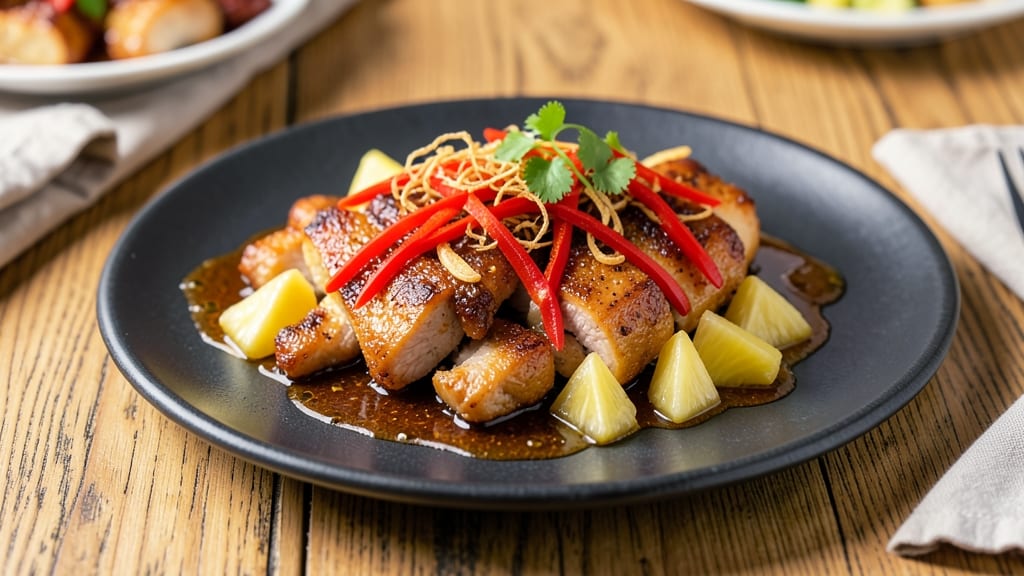
This Chinese sweet and sour pork recipe with pineapple delivers the perfect balance of crispy, golden pork and tangy-sweet sauce that'll have everyone reaching for seconds. 💛 The secret lies in double-frying the pork for that signature crunch while marinating it in a simple cornstarch slurry—trust me, it makes all the difference.
I've perfected this technique over countless weeknight dinners, and it's become our go-to takeout replacement.
The magic happens in the sauce, where vinegar and sugar create that signature sweet-sour harmony, while pineapple adds just the right amount of brightness. What makes this recipe special is how it transforms ordinary pork chops into restaurant-quality bites—tender inside, crispy outside, and coated in that addictive sauce.
The process might seem intimidating at first, but I'll walk you through every step to ensure foolproof results every time.
By the time you're done, you'll have a dish that's vibrant, flavorful, and packed with that perfect balance of textures and tastes. The pork stays crispy even after being tossed in the sauce, while the pineapple adds a refreshing contrast that cuts through the richness.
This is comfort food at its finest—elegant enough for company but simple enough for weeknights.
Serve it over steamed jasmine rice or with a side of stir-fried green beans to round out the meal. The leftovers reheat beautifully too, making this an excellent recipe for meal prep. Let's get cooking!
Ingredients for chinese sweet and sour pork recipe with pineapple
Pork chops, pineapple, and a tangy-sweet sauce that transforms takeout into restaurant-quality bites.
| Ingredient | Amount | Notes |
|---|---|---|
| Boneless Pork Chops 🥓 | 1 ½ lb | Cut into 1-inch cubes, pounded thin |
| All-Purpose Flour 🌾 | ½ cup | For cornstarch slurry |
| Cornstarch 🌾 | ½ cup | Essential for crispy texture |
| Vegetable Oil 🫒 | 3 cups | For double-frying (high smoke point) |
| Fresh Pineapple 🍍 | 1 cup | Diced, fresh or canned (no syrup) |
| Red Bell Pepper 🧅 | 1 whole | Diced, any color |
| Green Onion 🧅 | 4 whole | Thinly sliced, white and green parts |
| White Vinegar 💧 | ½ cup | For tangy-sweet balance |
| Granulated Sugar 🍚 | ½ cup | White sugar preferred |
| Soy Sauce 🥢 | ⅓ cup | Light or regular, not low-sodium |
| Garlic Cloves 🧄 | 4 cloves | Minced for sauce |
| Ginger Root 🌿 | 1 tbsp | Freshly grated, aromatic base |
| Kosher Salt 🧂 | 1 ½ tsp | Diamond Crystal preferred |
| Ground Black Pepper 🌶️ | ½ tsp | Freshly ground for heat |
| Cornstarch Slurry 🥄 | ½ cup | Mixed with 0.25 cup water |
The pork chops are non-negotiable here—bone-in or boneless works, but 1-inch cubes ensure even cooking. I always grab center-cut chops from the butcher section at Whole Foods or Trader Joe's because they're leaner and stay crispier. Pound them to even thickness with a meat mallet or rolling pin—this is the secret to that signature restaurant crunch. For the cornstarch slurry, use all-purpose flour and cornstarch (50/50 mix) to create that signature crispy coating. If you're short on time, pre-cut frozen pork cubes work too, just pat them dry first.
No fresh pineapple? Canned pineapple in water (no syrup!) is a game-changer—drain and pat dry thoroughly. The red bell pepper can be swapped for green or yellow, but red adds that vibrant color. For the sauce, white vinegar and sugar are the power duo—don't skimp on either. If you're sensitive to acidity, reduce the vinegar to 0.33 cup and add 1 tsp lemon juice instead. The soy sauce matters too—light soy gives a cleaner flavor, while dark soy adds depth (use half the amount). Fresh ginger is ideal, but ground ginger at half the amount works in a pinch.
This dish reheats like a dream—30 seconds in the microwave or 5 minutes in a skillet with a splash of water keeps it crispy. Store leftovers in an airtight container for 3-4 days in the fridge or 3 months frozen. I always make a double batch because it disappears fast. For meal prep, portion the sauce and pork separately—toss them together when reheating to maintain that perfect crunch. The sauce thickens as it sits, so add a splash of water if it seems too stiff when reheating.
Why You'll Love This Recipe
- One-Pan Magic: I swear by this recipe when I’m too tired to wash dishes. The pork fries up golden in the same skillet where the sauce simmers—no extra pans, no stress. Just flip, toss, and let the pineapple’s sweetness cut through the tangy sauce while everything cooks together.
- Pineapple Punch: That first bite? The crispy pork meets the sticky-sweet pineapple chunks, then the sauce hits—sour, slightly spicy, and perfectly balanced. It’s the kind of flavor combo that makes you reach for seconds without even thinking.
- Lunchbox Hero: Between us, this is my go-to for meal prep. The pork stays tender for days, and the sauce clings to everything like glue. Pack it with rice for a weeknight lunch, or serve it cold over noodles—it’s always a hit, even with picky eaters.
- Budget Win: Pork chops stretch further than you’d think, especially when you bulk them up with cornstarch for that satisfying crunch. Fresh pineapple feels fancy, but it’s cheaper than takeout, and the leftovers? They disappear faster than you can say “second helping.”
Step-by-step instructions for sweet and sour pork with pineapple
Here's how to achieve that perfect balance of crispy pork and tangy-sweet sauce every time.
🔥 Step 1: Prepare and Double-Fry the Pork
Cut the 1.5 lb boneless pork chops into 1-inch cubes and pound them thin between two sheets of plastic wrap. This ensures even cooking and maximum crispiness. In a small bowl, whisk together the 0.5 cup all-purpose flour and 0.5 cup cornstarch—this blend creates that signature crunchy exterior.
Heat 1 cup vegetable oil in a deep skillet over medium-high heat until it reaches 350°F. Working in batches to avoid overcrowding, coat each pork cube in the flour mixture, then carefully slide them into the hot oil. Fry for 2-3 minutes until golden brown—they'll cook quickly but need that initial sear. Remove with a slotted spoon and drain on paper towels. Set aside while you prepare the second fry.
Increase the oil temperature to 375°F. Return the fried pork to the skillet and fry for another 1-2 minutes until deeply golden and crispy. This double-fry technique is what gives restaurant-style sweet and sour pork its signature texture. Keep the pork warm while you make the sauce.
🍳 Step 2: Build the Tangy-Sweet Sauce
In a large skillet, heat 1 cup vegetable oil over medium heat. Add the 1 whole red bell pepper (diced) and cook for 3-4 minutes until softened. Add the 4 cloves minced garlic and 1 tbsp freshly grated ginger root, cooking for another 30 seconds until fragrant—this builds the aromatic base of your sauce.
Pour in the 0.5 cup white vinegar and 0.5 cup granulated sugar, stirring constantly. Let it simmer for 3-4 minutes until the sugar dissolves and the mixture thickens slightly. This is where the tangy-sweet balance begins to develop. Add the 0.33 cup soy sauce and 0.5 cup cornstarch slurry, stirring vigorously to prevent lumps.
Bring the sauce to a gentle boil, then reduce heat to medium-low and let it simmer for 2-3 minutes until it thickens enough to coat the back of a spoon. The sauce should be glossy and coat the pork evenly when combined later. Taste and adjust seasoning with 1.5 tsp kosher salt and 0.5 tsp ground black pepper—this is your flavor checkpoint.
🥘 Step 3: Combine and Finish with Pineapple
Return the crispy pork to the skillet with the sauce. Toss gently to coat each piece evenly, letting the sauce cling to the crispy exterior. Add the 1 cup diced fresh pineapple and 4 whole green onions (thinly sliced), stirring everything together. Cook for 1-2 minutes until the pineapple begins to soften slightly and the green onions wilt just enough to release their flavor.
Here's the thing—don't overcook the pineapple or it'll turn mushy. You want it to retain some bite to contrast the tender pork. The sauce should now have a beautiful balance of colors: the golden pork, red bell pepper, and bright pineapple. Taste one last time and adjust sweetness or tang with a pinch more sugar or vinegar if needed.
🍽️ Step 4: Serve Immediately for Maximum Crispiness
Transfer the sweet and sour pork to a serving platter, making sure each piece is coated with that glossy sauce. Garnish with extra green onions for freshness and serve immediately while the pork is still crispy. The sauce will thicken slightly as it cools, but serving it hot ensures that perfect texture contrast every bite.
This dish is best enjoyed right away—waiting too long will make the pork less crispy. Pair it with steamed jasmine rice to soak up all that delicious sauce. The combination of crispy pork, sweet pineapple, and tangy-sweet sauce makes this a crowd-pleaser that's well worth the effort.
Pro Tips For Making Chinese Sweet And Sour Pork Recipe With Pineapple
- CRISP THE PORK FAST: Use a 50/50 flour-cornstarch mix for coating—cornstarch grabs moisture faster than flour alone, giving you that signature crunch in 2-3 minutes. I learned this the hard way after frying soggy pork that tasted like glue; high heat and this ratio actually works.
- CUT PINEAPPLE SMALL: Dice the pineapple into ½-inch cubes—any larger and it’ll turn mushy while the pork fries. Fresh is best, but if using canned, drain and pat dry; excess juice makes the sauce watery and dulls the sweet-tangy balance.
- DON’T OVERCROWD THE PAN: Fry the pork in batches, even if it means two trips to the stove—crowding steams the coating instead of crisping it. I used to think "more at once = faster," but the result was greasy, uneven pork that tasted undercooked. Two minutes per batch at 350°F is the sweet spot.
- SAVE THE FRYING OIL: Strain the used oil through a fine-mesh sieve into a jar—it’s perfect for stir-frying veggies later or even deep-frying spring rolls. Discarding it feels wasteful, but I’ve reused it 3-4 times without flavor issues, as long as you keep it under 375°F. Just strain out food bits first.
Flavor customization for chinese sweet and sour pork recipe with pineapple
Spicy Kick Boost
If you love heat, add 1 tbsp chili garlic sauce or 1 tsp red pepper flakes to the sauce base. For authentic Sichuan flavor, stir in ½ tsp Sichuan peppercorns (toasted and ground)—it adds a numbing tingling sensation that's absolutely addictive.
I like to add this with the soy sauce for balanced heat. For a milder spice, swap ½ cup of the pineapple with ½ cup diced jalapeño (seeds removed) for fresh, fruity heat. 🌶️
Citrus Twist
Brighten the sauce with 2 tbsp freshly squeezed orange juice or lemon juice instead of some of the vinegar. This works especially well if you're sensitive to vinegar's sharpness.
I've also found that adding 1 tbsp honey to the sauce before simmering creates a beautiful caramelized depth that pairs perfectly with the pineapple's acidity. For extra zing, finish with a sprinkle of fresh lime zest over the top before serving.
Umami Depth
For richer flavor, stir in 1 tbsp oyster sauce or 1 tsp fish sauce with the soy sauce. These add incredible umami depth that makes the dish taste even more restaurant-quality.
I also love adding 1 tbsp hoisin sauce to the sauce base—it gives that perfect balance of sweet, salty, and savory. For a vegetarian option, substitute with 1 tbsp mushroom sauce or extra soy sauce (just reduce the sugar slightly to compensate).
Herb Variations
Fresh herbs elevate this dish instantly. Try adding 1 tbsp chopped cilantro or thai basil with the green onions at the end for a bright, aromatic finish. For a Mediterranean twist, swap the green onions for 1 tbsp chopped mint and add ½ tsp dried oregano to the sauce.
I've also had great success with 1 tsp fresh thyme—it pairs surprisingly well with the pineapple's tropical notes while keeping the dish authentically Chinese-inspired.
Crunchy Additions
For extra texture, toss in ½ cup crushed peanuts or sesame seeds with the green onions. The peanuts add a satisfying crunch that contrasts beautifully with the tender pork.
For a more traditional Chinese touch, add 2 tbsp fried shallots at the end—they bring a delicate onion flavor that enhances the overall depth. I also like sprinkling 1 tsp toasted sesame oil over the finished dish for an aromatic finish that ties everything together. 🥜
Sweet Variations
For a dessert-like sweetness, add 2 tbsp apricot jam or mango chutney to the sauce base. This works especially well if you're serving this as an appetizer. For a more subtle sweetness, replace ¼ cup of the sugar with brown sugar—it adds a caramelized depth that complements the pineapple beautifully. I've also had success using 1 tbsp honey instead of sugar in the sauce for a more floral sweetness that pairs wonderfully with the tangy vinegar.
Nutrition facts
Frequently asked questions
Why does the pork need to be double-fried?
The double-fry creates that signature restaurant-style crispiness. The first fry at 350°F sets the foundation, while the second at 375°F locks in the crunch. This technique prevents soggy pork when tossed in the sauce later—trust me, it makes all the difference!
Can I use chicken or shrimp instead of pork?
Chicken thighs work best (bone-in for flavor), and shrimp should be peeled and deveined. For chicken, adjust cooking time to 2-3 minutes per side in the second fry. Shrimp only needs 1 minute per side—they cook faster. The sauce ratios stay the same, but shrimp will absorb more liquid.
How do I fix a sauce that's too thick or too thin?
Too thick? Thin with 1 tsp water or pineapple juice while stirring. Too thin? Mix ½ tbsp cornstarch with 1 tsp water, stir into the sauce, and simmer for 1 minute. Pro tip: Always taste as you go—adjust gradually to avoid overcorrecting.
Can I make this dish ahead of time?
Yes, but with a twist! Prepare the sauce and pork separately, then store in airtight containers for 3-4 days in the fridge. When ready to serve, reheat the pork in a skillet for 2-3 minutes to restore crispiness, then toss with warm sauce. For freezing, freeze components separately for up to 3 months.
What's the best way to serve this dish?
Pair with steamed jasmine rice to soak up the sauce, or serve over egg noodles for extra heartiness. For a complete meal, add stir-fried bok choy or snap peas. Garnish with extra green onions and sesame seeds for freshness. The pineapple adds natural sweetness that balances the tangy sauce perfectly!