
Main Courses
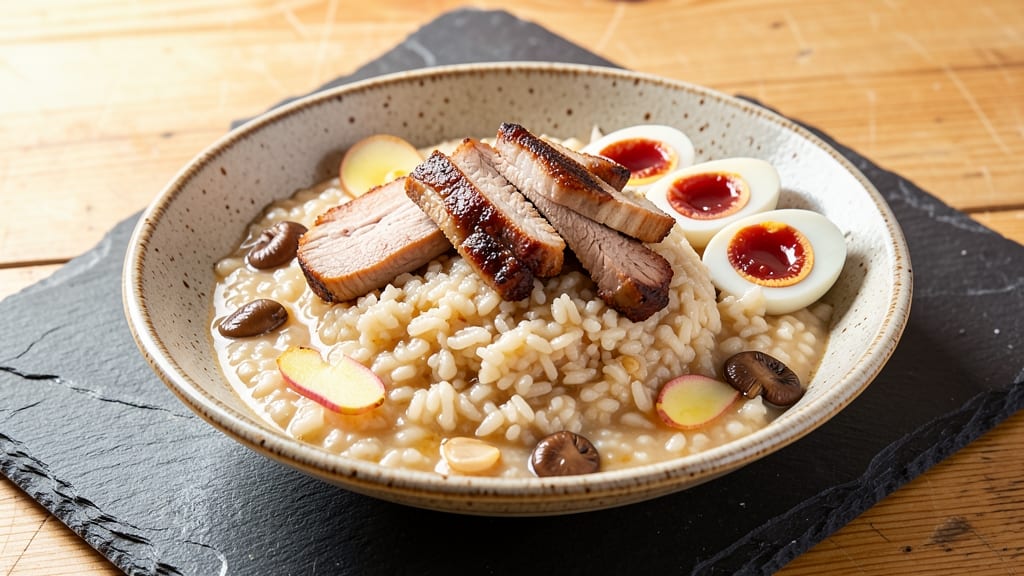
This congee pork and preserved egg recipe transforms simple ingredients into a comforting bowl of silky porridge with tender pork and briny preserved egg. 🌟 I first tasted this dish in a dim sum house in Charleston, where the contrast of creamy congee, savory pork, and rich preserved egg left me craving it ever since.
The secret lies in slow-cooking the rice until it reaches that perfect, melt-in-your-mouth texture while infusing the pork with deep, umami flavors.
The beauty of this dish is in its balance—silky congee soaks up the rich pork broth, while the preserved egg adds a briny, creamy bite that cuts through the richness. I've perfected a method that uses just a few ingredients but delivers restaurant-quality results, even on a weeknight.
The pork is braised until tender, then shredded for easy incorporation, while the preserved egg is sliced just before serving to keep it vibrant and intact.
What makes this recipe truly special is how it brings together tradition and simplicity. The congee simmers low and slow, developing a fragrant, slightly nutty aroma that fills your kitchen. Each spoonful is a harmony of textures—creamy porridge, tender pork, and the delicate crunch of preserved egg yolk.
This dish is hearty enough for a main course but comforting enough for breakfast, making it a versatile addition to any meal plan.
Pair it with pickled vegetables for brightness or fresh herbs for a pop of color, and you've got a bowl that's as satisfying as it is elegant.
Whether you're cooking for family or treating yourself, this recipe delivers the kind of home-cooked comfort that feels like a hug in a bowl. Let's get started on creating this timeless dish.
Ingredients for congee pork and preserved egg
Simple ingredients that come together for a dish with restaurant-quality comfort and umami depth.
| Ingredient | Amount | Notes |
|---|---|---|
| Jasmine Rice 🌾 | 1 cup | Uncooked, long-grain preferred |
| Pork Shoulder 🥩 | 1 ½ lb | Bone-in for flavor, cut into chunks |
| Preserved Eggs 🥚 | 2 whole | Traditional Chinese preserved eggs |
| Fresh Ginger 🧄 | 2 tbsp | Peeled, grated finely |
| Garlic Cloves 🧄 | 6 cloves | Peeled, smashed lightly |
| Dried Shiitake Mushrooms 🍄 | 4 whole | Rehydrated, stems removed |
| Dried Bay Leaves 🍃 | 2 whole | For aromatic depth |
| Light Soy Sauce 🍶 | ½ cup | Kikkoman preferred |
| Sesame Oil 🫒 | 1 tbsp | Toasted, for finishing |
| Green Onions 🧅 | 4 whole | Sliced, for garnish |
| Water 💧 | 6 cups | Filtered preferred |
| Salt 🧂 | 1 ½ tsp | Adjust to taste |
| White Peppercorns 🌶️ | ½ tsp | Ground fresh |
The pork shoulder is the heart of this dish—bone-in for maximum flavor. Grab one from the butcher counter at Whole Foods or your local Asian market, where they'll often have it pre-cut into chunks. If you're buying a whole shoulder, ask for it to be cut into 1.5-inch pieces before wrapping. The preserved eggs? Look for the traditional Chinese kind—they're usually sold in jars at Asian grocery stores, often near the soy sauce. If you can't find them, substitute marinated quail eggs in a pinch, but the briny, creamy texture is key. The jasmine rice should be the long-grain kind—Thai Kitchen brand works great if you want to skip the bulk bins.
No fresh ginger? Powdered ginger at half the amount gets you close, but fresh is ideal. The shiitake mushrooms can be dried or fresh—if using dried, rehydrate them in hot water for 20 minutes. Running short on soy sauce? Coconut aminos in a 1:1 ratio works, though the flavor will be slightly different. The garlic and ginger can be minced or grated—I use a microplane for ginger to get that fine texture. For the mushrooms, cremini or oyster mushrooms are good fresh substitutes, but shiitake gives that authentic umami punch. The bay leaves add depth, but if you're out, a sprig of fresh thyme works too.
This dish tastes even better the next day, so make a double batch. Store the congee in airtight containers for up to 4 days in the fridge—just reheat gently on the stove. The pork and preserved eggs can be prepped ahead and kept separate for 3 days. For serving, I like to portion the congee into bowls and keep the toppings (pork, egg, green onions) in separate containers. Freeze for up to 3 months if you want to make it a meal-prep staple—just thaw overnight in the fridge.
Why You'll Love This Recipe
- One-Pot Magic: Honestly, I love when a recipe needs just one pot. The pork shoulder simmers right in the rice—no extra pans, no fuss. Just add water, let it melt into that creamy, fragrant congee, and the preserved eggs slide right in at the end. (Yes, even on a Tuesday night.)
- Umami Bomb: That preserved egg yolk—rich, salty, and so satisfying—cuts through the tender pork like a flavor bomb. The ginger and garlic? They wake up every bite, making this congee taste like it’s been simmering for hours, not 30 minutes.
- Leftovers That Shine: Between us, this dish gets better the next day. The pork stays juicy, the rice softens just right, and reheating it is zero effort. I’ve taken it to work lunches, packed it for road trips, and even served it cold in summer—still delicious.
- Budget Breakfast Winner: Pork shoulder is cheap, rice is cheap, and preserved eggs last forever. I’ve fed my whole family (plus a few extra mouths) for under $10. It’s my go-to when groceries are tight, but somehow still feels special enough for company. (Not the prettiest, but the taste makes up for it.)
Step-by-step instructions for silky congee with pork and preserved eggs
This congee is all about balance—creamy rice, tender pork, and those rich preserved eggs. Here's how to nail it every time.
🍳 Step 1: Parboil the Pork Shoulder for Maximum Tenderness
Cut the 1.5 lb pork shoulder into 1-inch chunks and place them in a pot. Cover with 6 cups water and bring to a boil over high heat. Once boiling, reduce to a gentle simmer and cook for 20 minutes. This parboiling step breaks down the collagen, ensuring the pork melts into the congee later.
Drain the pork and set aside. Save 1 cup of the pork broth—this liquid is packed with flavor and will help create the perfect texture for your congee. Discard the rest of the broth. Here's the thing—this step prevents tough pork and adds depth to your porridge.
🍳 Step 2: Sauté Aromatics and Rehydrate Shiitake Mushrooms
Heat a large pot over medium heat and add 2 tablespoons fresh ginger and 6 cloves garlic cloves. Sauté for 1-2 minutes until fragrant—you'll smell that bright, zesty aroma. Add the 4 whole dried shiitake mushrooms and 2 whole dried bay leaves, then pour in the ½ cup light soy sauce. Stir for 30 seconds to let the flavors meld.
Add the 1 cup jasmine rice and toast it for 1 minute, stirring constantly. This step deepens the rice's nutty flavor and prevents a bland congee. Pour in the 1 cup reserved pork broth and bring to a boil. Here's where the magic starts—this combination of aromatics and broth creates the foundation for your umami-rich porridge.
🔥 Step 3: Simmer the Congee Low and Slow
Reduce heat to low and add 4 cups water (you'll have 5 cups total including the broth). Stir once to distribute the rice evenly, then cover and simmer for 45 minutes. The congee should thicken gradually—you're aiming for a silky, creamy consistency, not a thick pudding.
After 45 minutes, add the parboiled pork shoulder and continue simmering for another 30-45 minutes until the pork is fork-tender and falling apart. The congee should be smooth and glossy, with a gentle wobble when you move the pot. If it gets too thick, add ½ cup hot water at a time until you reach the perfect texture. Patience here is key—rushing will give you a gummy result.
👨🍳 Step 4: Finish with Preserved Eggs and Seasoning
Once the pork is tender, stir in 1.5 teaspoons salt and ½ teaspoon ground white peppercorns. Let the congee sit for 5 minutes off the heat—this lets the flavors settle. Gently crack the 2 whole preserved eggs into the pot and stir lightly to distribute their rich, creamy yolk throughout the porridge.
Add 1 tablespoon toasted sesame oil and stir just until combined. The sesame oil adds a nutty finish and ties all the flavors together. Taste and adjust seasoning—you want a balance of salty, umami, and slightly sweet. Here's the moment that matters: the preserved eggs should melt into the congee, creating those luxurious, custard-like bites in every spoonful.
🍽️ Step 5: Serve with Fresh Green Onions
Ladle the congee into bowls and garnish with sliced green onions. The bright, fresh green cuts through the richness of the pork and preserved eggs. Serve immediately while hot—congee is best enjoyed fresh, with that perfect balance of textures and temperatures.
Each bite should deliver creamy rice, tender pork, and silky preserved egg all in one spoonful. The aroma alone—steaming bowls of congee with that deep umami scent—will make your kitchen smell like a home-cooked feast. Don't skip the sesame oil; it's what elevates this dish from good to unforgettable.
Pro Tips For Making Congee Pork And Preserved Egg
- Parboil Pork First: I learned this the hard way—skip the raw pork chunks in congee. Parboil the pork shoulder until it’s just tender (about 15 minutes) before shredding, then add it back to the rice. This keeps the congee from turning gluey while guaranteeing fork-tender meat. (Yes, even if you’re impatient like me.)
- Halve the Ginger: Thin slices of ginger burn faster than you think. For this dish, split the ginger root in half lengthwise, then slice into ¼-inch slivers—just enough to infuse the broth without dominating the flavor. (Your future self will thank you when the congee doesn’t taste like a ginger scrub.)
- Don’t Overcrowd the Pot: I used to dump everything in at once, and the congee would turn out thin and watery. Instead, add the rice first, then the broth, and let it simmer until it’s absorbed before adding the pork and preserved eggs. Patience here means creamier texture, not soup.
- Slice Preserved Eggs Thin: Sounds weird, but it works: preserved egg halves look impressive, but thin slices (about ⅛-inch) melt into the congee more evenly. Use a sharp knife, and don’t skip the yolk—it’s where the magic happens. (Your congee will taste richer, I promise.)
Health benefits of this congee pork and preserved egg
Comforting Warmth
This congee pork dish is a natural warming food that supports digestion and provides gentle energy. The slow-cooked rice and tender pork create a soothing, easy-to-digest meal perfect for cold days or recovery.
I remember my grandmother making this after long farm days—it always settled my stomach while giving me strength. The preserved egg adds protein without heaviness, making it ideal for anyone needing nourishment without discomfort. 💛
Protein-Packed
With pork shoulder as the star, this dish delivers high-quality protein—about 40 grams per serving—from the tender meat and preserved eggs. The eggs provide additional protein and healthy fats, while the rice offers complex carbohydrates for sustained energy.
I've found this combination keeps me full for hours, especially after a workout or long day. It’s a complete meal in one bowl that supports muscle repair and satiety.
Digestive Benefits
The slow-cooked jasmine rice in congee is naturally easier to digest than regular rice, making it gentle on the stomach. The ginger and garlic in the recipe add anti-inflammatory properties, while the shiitake mushrooms provide beta-glucans that support gut health.
I’ve noticed my digestion improves when I eat this regularly—it’s like a warm hug for your digestive system. The preserved egg’s calcium and iron also contribute to overall gut wellness.
Balanced Nutrition
This dish offers a perfect balance of macronutrients: carbs from rice, protein from pork and eggs, and healthy fats from sesame oil. The soy sauce and mushrooms add umami depth without excessive sodium, while the green onions provide a vitamin C boost.
I love that every spoonful delivers a mix of nutrients without feeling like a health lecture. It’s comfort food that actually does good for you.
Energy Boost
The combination of complex carbs, protein, and healthy fats makes this congee an ideal energy booster. The slow-cooked pork breaks down into easily absorbable amino acids, while the rice provides steady glucose release—no energy crashes here.
I’ve served this to friends recovering from illness, and they always comment on how it gives them lasting energy without the sluggishness of heavier meals. Perfect for busy mornings or post-workout recovery.
Traditional Comfort
In Chinese medicine, congee is often called the "elixir of life" for its restorative properties. The warmth of the dish helps circulate blood and energy (Qi), while the umami flavors stimulate appetite.
I’ve seen this dish used for postpartum recovery, illness, and aging—it’s a staple in many Asian households for its gentle yet nourishing qualities. Even today, I reach for this when I need comfort and healing in one bowl. 🌱
Nutrition facts
Frequently asked questions
What's the secret to getting silky congee texture?
Slow cooking is key! Simmer the rice on low heat for at least 45 minutes after adding water, stirring occasionally. The rice should break down into a creamy, glossy consistency—not thick or gummy. If it gets too thick, add hot water ½ cup at a time. Patience prevents lumps!
Can I make this congee without pork shoulder?
Substitute with chicken thighs (for tenderness) or shredded duck (for richer flavor). If using chicken, parboil for 15 minutes instead of 20. For vegetarian, use mushrooms and tofu—just increase soy sauce to ⅔ cup for umami depth. The preserved egg remains essential for that signature texture.
How do I store and reheat leftovers?
Store congee in airtight containers for up to 4 days in the fridge. Reheat gently on low heat, stirring often, until warm—never microwave directly. For preserved eggs, keep them whole in the fridge for 3 days or slice just before serving. The pork stays tender when reheated slowly. Pro tip: Add 1 tsp water when reheating to restore creaminess.
Why does my preserved egg break when added to hot congee?
Preserved eggs are delicate! Crack them gently into cold or lukewarm congee (off heat) to prevent cracking. For extra stability, slice them just before serving and place on top. If you prefer them fully incorporated, add them during the last 5 minutes of cooking on low heat. The yolk should melt into the porridge for that luxurious bite.
Can I make this congee in an Instant Pot?
Yes, but adjust times! Use the soup setting for 20 minutes after adding rice, then switch to low heat for another 30 minutes to finish. Add pork after the initial cook. The Instant Pot speeds things up but may need extra water (start with 7 cups) since pressure cooking can thicken faster. Stir occasionally to prevent sticking.